From late March even into November, most Saturday mornings find me in our front and back yards hand-picking basil leaves from our plants that grow in old wheelbarrows and pots. Sweet, lemon and Thai basil dominate in our gardens. You gotta make hay while the overbearing Texas sun is shining. Apropos, I’m able to harvest basil and make pesto for seven to eight months out of the year. Not bad, huh? This past year, I made more than 80 eight-ounce jars of green gold—my most prolific year of production ever.
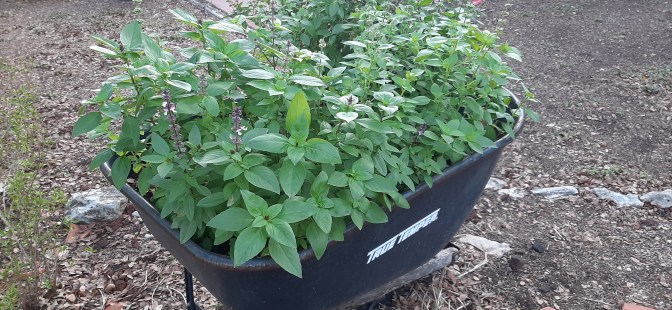
As most of us know, there is no comparison whatsoever between homemade pesto and the weak swill that is labeled pesto in the stores. We always top our pasta dishes at home with green gold and freshly grated pecorino. We also use it in soups and on sandwiches and, when desired, in place of traditional pizza sauce on Sundays as we fire up pies—Neapolitan in my Ooni, Chicago deep dish or Detroit-style in the oven. Family in Texas and in Illinois and Colorado end up with a lot of my pesto, as do special friends here in Austin. My goal every fall is to store enough in the freezer in order to make it to late March with inventory intact. I honestly can’t remember the last time that we didn’t have any pesto in the fridge or freezer.
I’ve learned a few tricks along the way, and—of course—my go-to recipe will eventually appear in this post as you continue to read and scroll . . . I promise!
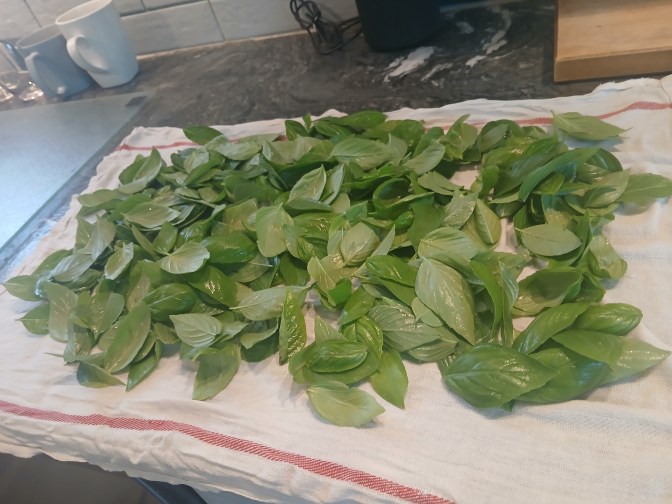
I’ve been making basil pesto from our gardens for close to twenty-five years. I simply love to watch plants grow. Upon moving to Houston in 1991, this Chicagoan was pleasantly stunned to discover you could grow a winter garden in Texas. What a bonus—I had no idea this was the case. Consequently, I got a kick out of seeing January cilantro shake off frost and ice, raising their craggy leaves to the re-emergence of the sun after a cold snap. My summer gardens, in those earlier days, produced okra, tomatoes, squash, peppers and some basil. In these latter days, I’ve whittled the summer gardens down to nothing but basil and peppers, and I still toss some cilantro seeds onto the ground and into a few pots in October.
Besides using pesto for pizza and Italian food, I flavor my homemade Chicago-style Italian beef with plenty of pesto for our New Years’s Day celebration. Delizioso!
Because of the long growing period for my beloved basil in Texas, I’ve learned the trick of reseeding at least twice each season. We’ve gotten into the habit of taking an escape-from-Texas-trip in August the past number of years. We did an Alaskan cruise that stretched into Labor Day weekend a few years back, and I told our main vacation-time waterer, our daughter Alex, to focus on our roses (we have twenty-five or so) but to not worry about the basil while we were gone for two weeks. Upon return, I pulled the dried-out basil, stripped the shoots of their seeds and let them fall to the soil of my two old wheelbarrow tubs, watered them faithfully . . . and in three weeks, I was making hay—aka, pesto—once again.
Monarch butterflies return to Canada and the northeastern United States every spring after wintering in Central Mexico. How do butterflies travel 2,500 miles? The south wind helps, but “death and resurrection” gets the job done. Metamorphosis through three to four generations during the spring helps monarchs return to places like Pennsylvania, Maine, and Quebec. Similarly, that’s how I made 80 jars of green gold in 2026, thanks to three generations of basil plants in one growing season.
Basil plants will start to seed out after 8–10 weeks, and as they do so, their leaves become a bit tougher. You can pinch off the flower stalks as they emerge, but the plants are dead-set upon producing seeds for the next generation. So be it. Formerly, I would buy basil plants in the spring, but I strictly plant by seed at this point in the game. Between my two wheelbarrow tubs and 8 pots of basil plants, I rotate the re-seeding process so I always have harvestable stock.
Alrighty, here’s my go-to recipe for Tim’s Italian Flag Pesto:
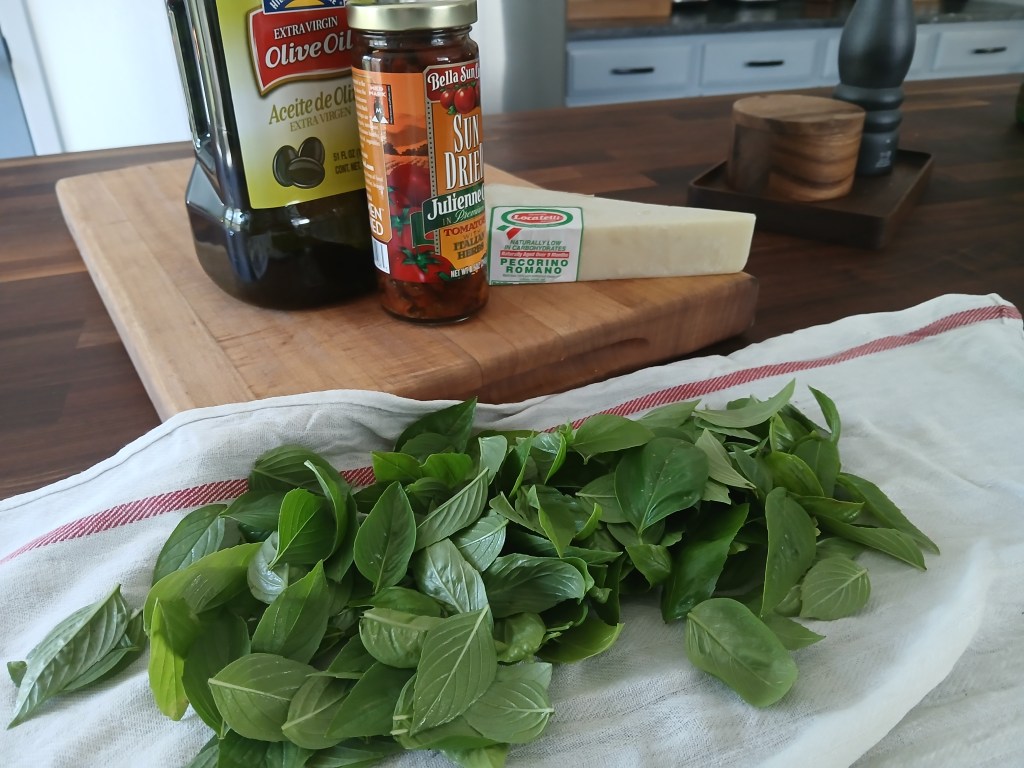
250 leaves (medium-sized) of fresh basil
4 ounces of sun-dried tomatoes (I typically use Bella Sun Luci, soaked in olive oil)
1/2 cup of walnuts (if you’re a big spender, go ahead and use pine nuts)
1/2 cup of freshly grated pecorino or parmesan
5/8 to 3/4 cup of extra virgin olive oil, depending on your preference
A little salt and freshly cracked black pepper
Combine all ingredients in blender with 1/2 cup of oil. Begin blending, and add remaining oil as needed. Blend until all of the ingredients lose their original shape—do not over-blend.
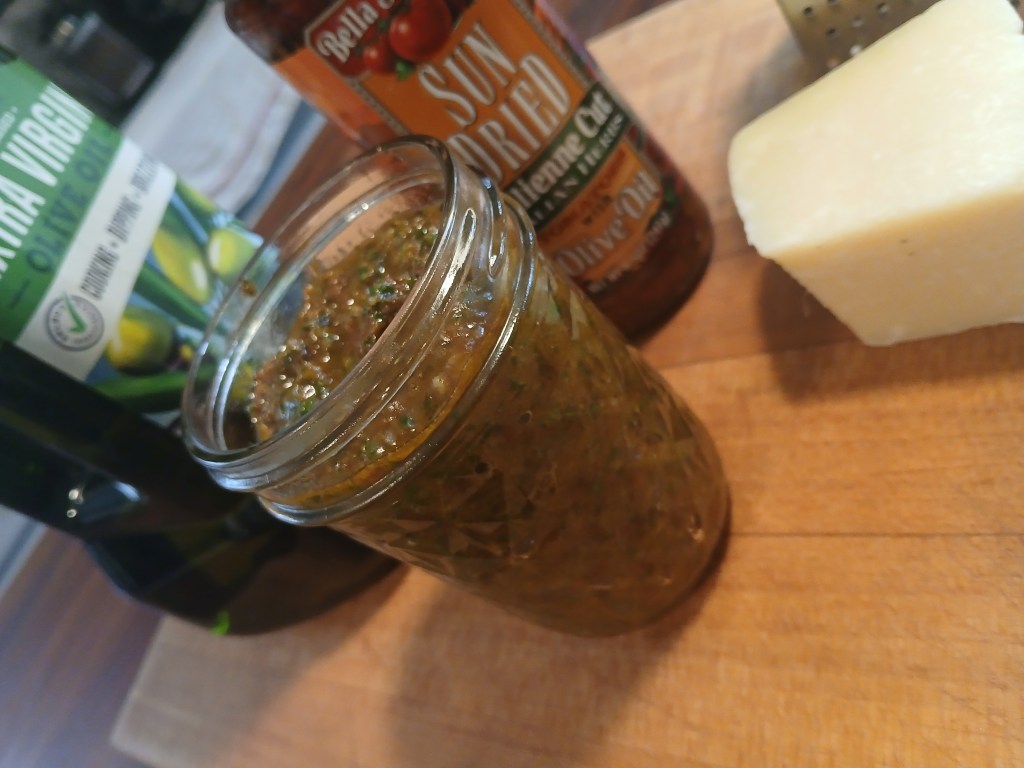
Note: Add fresh garlic if you like. While I love sauteed garlic, I’m not a fan of fresh garlic. This recipe will produce one 12-ounce jar.
I love it when recipient friends text me photos of what they’ve made in their own kitchens with a little assist from my Italian Flag pesto. Thanks to Stephanie, Mike, and Mike for sharing these.
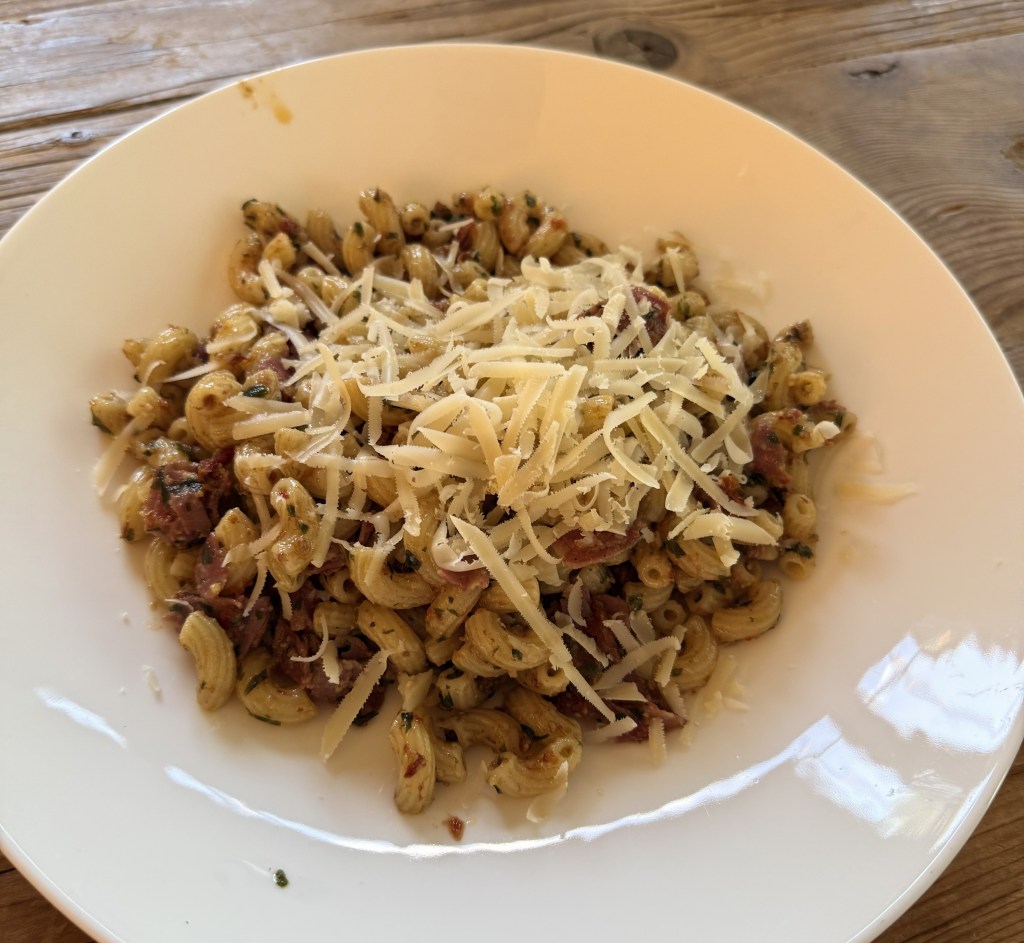
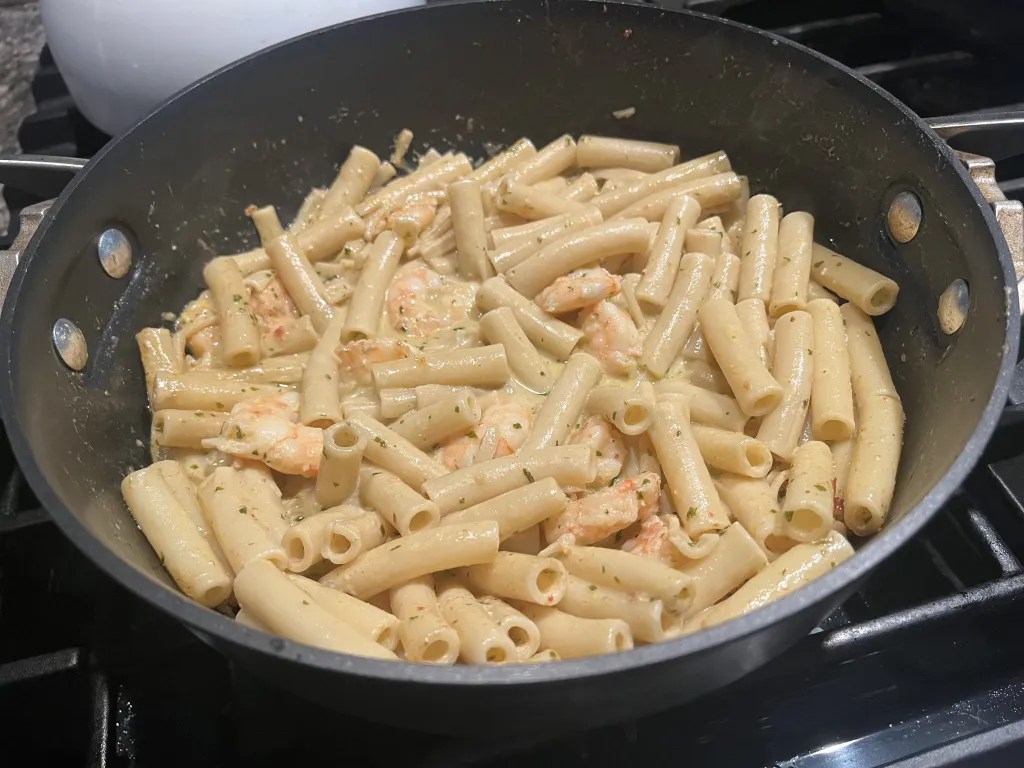
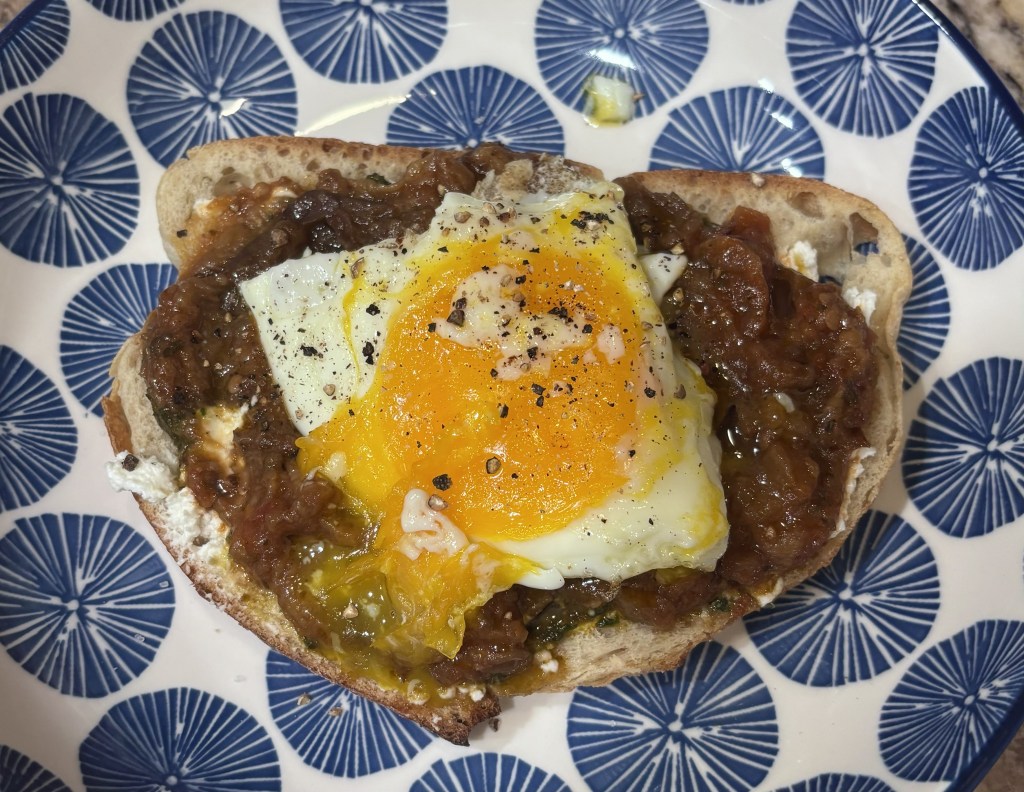
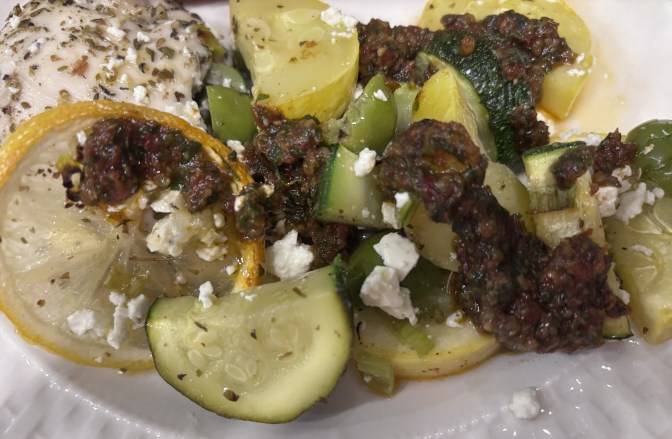
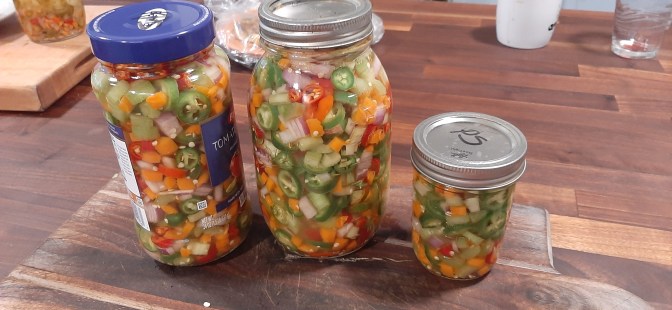
Bonus red pepper lore: As I said, my summer garden also produces peppers. I’ll purchase a variety of a dozen or so hot pepper plants from a good nursery in the spring. I especially like peppers that turn red upon maturing—Fresno, cayenne, chili de arbol, etc.—from which I’ll make hot pepper jelly and Chicago-style giardiniera. I pickle my giardiniera in 50/50 water and vinegar, and then water-bath can it in large Mason jars.
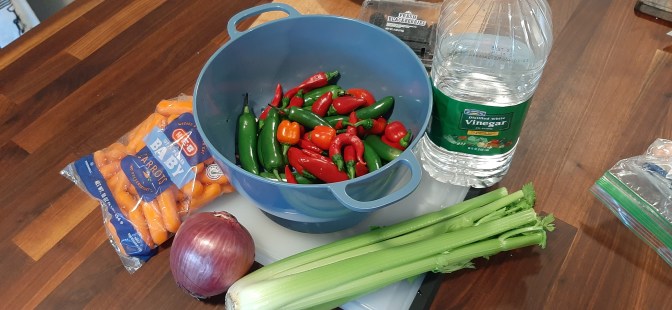
For those unfamiliar with giardiniera, it also contains carrots, onions, and celery. The idea is that these non-spicy ingredients pick up some of the peppers’ heat, so you end up with an evenly spiced jar of pickled veggies. It goes great on anything that needs a bit of a kick—pizza, sandwiches, charcuterie boards, potatoes, queso, guacamole, etc.
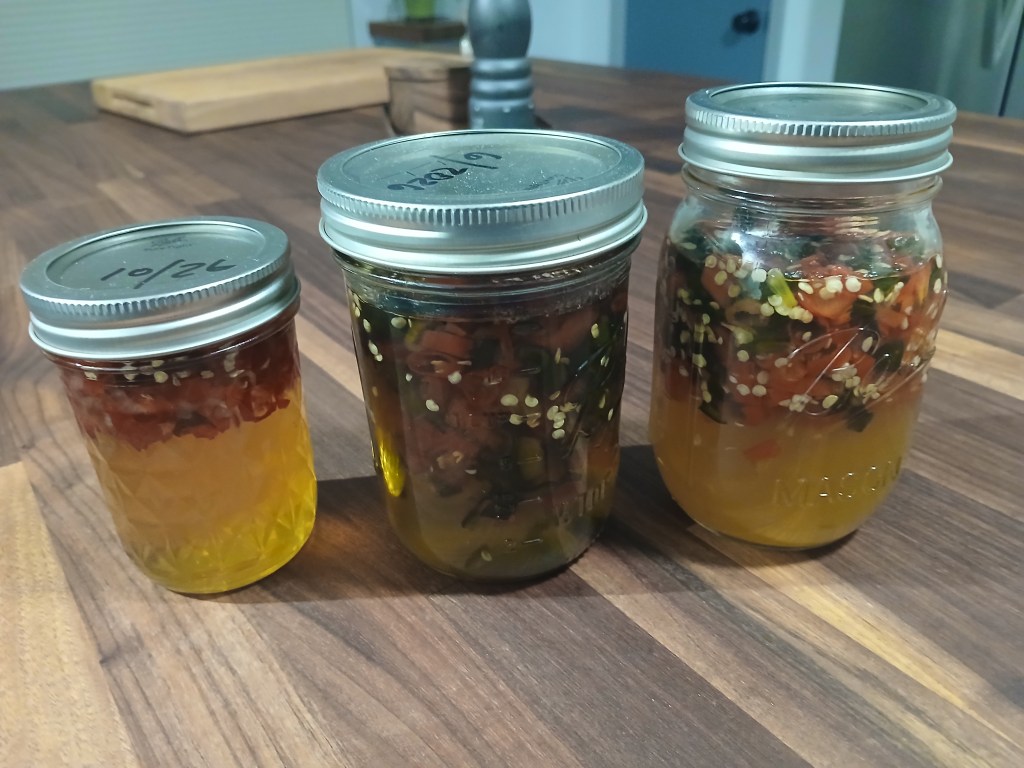
I’m still working on a good pepper jelly recipe that doesn’t have too much sugar. I’ve experimented with agave syrup and stevia, but I don’t like how those batches turn into hard jam. I like my pepper jelly to have a bit of runniness to it. I’m open to any tips or suggestions you might have.
Carry on fellow pesto lovers and hot pepper (not too hot, though) connoisseurs!
T. Carlos “Tim” Anderson – I’m a Protestant minister and Director of Austin City Lutherans (ACL), an organization of partners in Austin, Texas working together to serve low-income individuals and families.


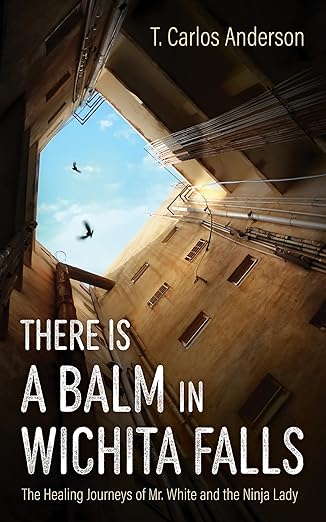
Check out any of my books – Just a Little Bit More (2014), There is a Balm in Huntsville (2019), and There is a Balm in Wichita Falls (2024).


